

Open
Open 24h today
Monday
Open 24h
Tuesday
N/A
Wednesday
N/A
Thursday
N/A
Friday
N/A
Saturday
N/A
Sunday
N/A
July 27, 2026 8:07 pm local time
Description
For most of American retail history, backpacks were treated as a purely functional category. You picked one based on durability, storage space, and price, then used the same bag for years without giving it much thought. That mindset has shifted dramatically over the past decade, and a lot of the credit goes to Sprayground. What started as a single streetwear brand experimenting with bold graffiti-style graphics has ended up reshaping how backpacks are designed, marketed, and purchased across the United States. Here's a closer look at exactly how Sprayground's approach is rewriting the rules for the entire backpack industry.
Turning a Utility Item Into a Fashion Statement
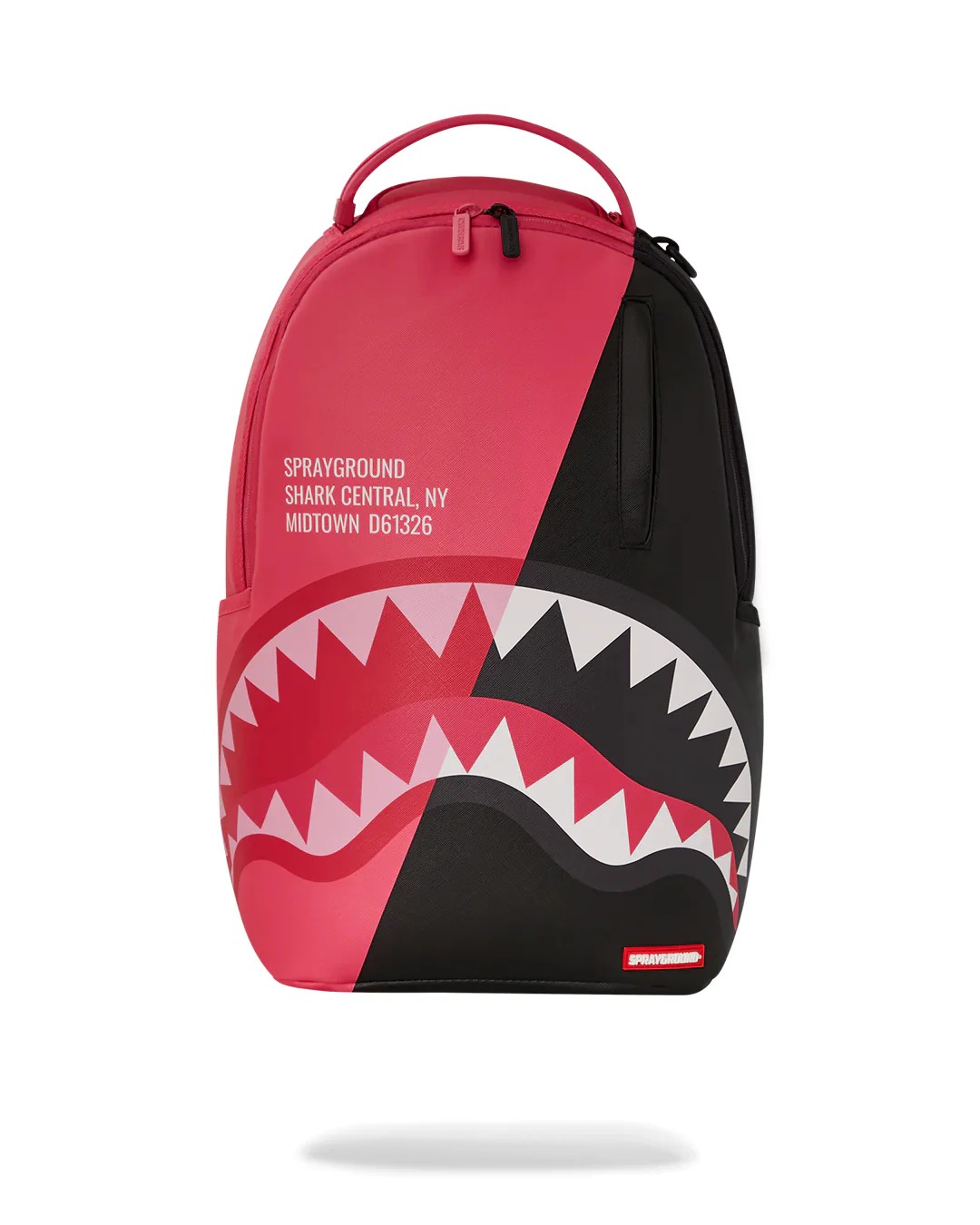
Before sprayground gained traction, the backpack market was dominated by brands prioritizing function above all else, think heavy-duty zippers, neutral colors, and ergonomic straps built for hauling textbooks. Sprayground flipped that hierarchy. Founded in Los Angeles in 2010, the brand treated the backpack as a canvas for street art first and a practical tool second, introducing loud graphics, unconventional shapes, and shark-mouth zipper details that had never really existed in mainstream backpack design.
That shift mattered because it gave American consumers permission to think about backpacks the same way they think about sneakers or streetwear apparel: as an expression of personal identity rather than a purely practical purchase. Once that door opened, competitors across the industry had little choice but to follow.
Competitors Are Chasing the Same Playbook
Sprayground's success has visibly influenced how other backpack brands approach product design. Bolder colorways, novelty shapes, and pop culture tie-ins that were once rare outside of Sprayground's catalog are now showing up across the broader backpack market, from mall retailers to online-first startups. Brands that once leaned entirely on subdued, practical designs are increasingly experimenting with statement graphics and limited releases in an attempt to capture some of the same excitement Sprayground generates with each drop.
This ripple effect is a strong indicator of genuine market influence. When competitors start mimicking a brand's release strategy, not just its aesthetic, but the way it sells products, that's a sign the brand has changed consumer expectations industry-wide.
The Rise of Scarcity as a Backpack Sales Strategy
Perhaps the most significant shift Sprayground introduced to the American backpack market is scarcity-driven selling. Nearly every Sprayground design is treated as a limited run, and once a print sells out, it typically never comes back. That single business decision imported the drop culture normally associated with sneakers and streetwear directly into an entirely different product category.
Before this approach caught on, backpacks were restocked predictably, and there was rarely urgency around buying one immediately. Sprayground changed that by training its customer base to expect scarcity, and other backpack brands have started experimenting with similar limited-edition strategies to create the same kind of buzz. This has effectively pushed a segment of the backpack market toward a more collector-driven model, where certain designs carry resale value long after they've sold out at retail.
Collaboration Culture Becomes the New Standard
Sprayground didn't invent brand collaborations, but it applied them to backpacks in a way that few competitors had attempted at scale. Partnerships with recognizable franchises like Looney Tunes, Peanuts, Rugrats, Naruto, and One Piece, along with entertainment icons, gave the brand access to built-in fan communities that extended well beyond typical backpack shoppers.
This strategy has clearly influenced how other companies in the space think about product development. Licensed collaborations that used to be reserved mostly for apparel and sneakers are increasingly appearing on backpacks from other manufacturers as well, a direct response to how effectively Sprayground has used nostalgia and fandom to drive sales. For American shoppers, this means the backpack aisle now looks a lot more like the sneaker wall than it used to, full of character tie-ins, seasonal exclusives, and hype-driven releases.
Social Media-First Marketing Reshapes the Category
Sprayground's marketing approach leans almost entirely on visual impact and social sharing rather than traditional advertising. Bold, photogenic designs are practically built for Instagram and TikTok, and the brand has leaned into this by offering text alerts for new drops and encouraging user-generated content around unboxings and collection showcases.
This model has pushed other backpack brands to rethink their own marketing strategies. Instead of relying primarily on catalog photography and functional feature lists, more companies are now designing products specifically with social media visibility in mind, understanding that a backpack's shareability can matter just as much as its storage capacity when it comes to driving American sales.
Back-to-School Shopping Looks Different Now
The back-to-school season has always been a major moment for backpack sales in the U.S., but Sprayground has changed what shoppers expect from that season. Search interest data consistently shows sharp spikes for Sprayground-related backpack searches heading into late summer, and that demand has pushed retailers to stock more expressive, statement-driven options across the board rather than relying purely on basic, budget-friendly designs.
Students now often expect a wider range of bold, individualized choices when shopping for a new school year, a shift that traces directly back to how successfully Sprayground positioned its bags as identity pieces rather than plain school supplies.
Price Expectations Have Shifted Too
Sprayground backpacks typically retail between $65 and $130, with select collaboration pieces reaching $150 to $200 or more. That pricing sits above traditional mass-market backpacks but below true luxury designer bags, and it has helped normalize a mid-to-high price tier for backpacks marketed around design and exclusivity rather than pure functionality.
This shift has given other backpack brands more room to introduce premium, design-forward lines without alienating price-sensitive shoppers, since girls' sprayground backpack already demonstrated that a meaningful portion of the American market is willing to pay more for a backpack that doubles as a fashion statement.
A Category That No Longer Looks the Same
Taken together, these shifts, bold artistic design, deliberate scarcity, licensed collaborations, social-first marketing, and elevated price expectations, add up to a fundamentally different backpack market than existed before Sprayground's rise. What used to be one of the most overlooked categories in American retail has become a space where design, exclusivity, and cultural relevance now matter as much as durability and storage space.
Final Thoughts
Sprayground's influence on US backpack trends goes well beyond its own product line. By treating backpacks as collectible fashion items rather than purely functional gear, the brand rewrote the expectations an entire generation of American shoppers now carries into the category. Competitors have taken notice, adapting everything from design philosophy to marketing strategy in an attempt to capture a piece of the same energy. Whether or not a shopper ever buys a Sprayground backpack themselves, there's a good chance the backpack they do buy has been shaped, directly or indirectly, by the trend Sprayground started.